How Does Menu Decoder Decide a Dish Is Safe or Unsafe?
Every dish gets one of three verdicts: safe, caution or unsafe. Uncertain dishes become caution, with the risky ingredient named. Here is the procedure.
 Luis Martinez Aug 16, 2026
 Blog
Guides for eating safely with food allergies. Country-by-country travel tips, allergen guides, and dietary restriction strategies.
Every dish gets one of three verdicts: safe, caution or unsafe. Uncertain dishes become caution, with the risky ingredient named. Here is the procedure.
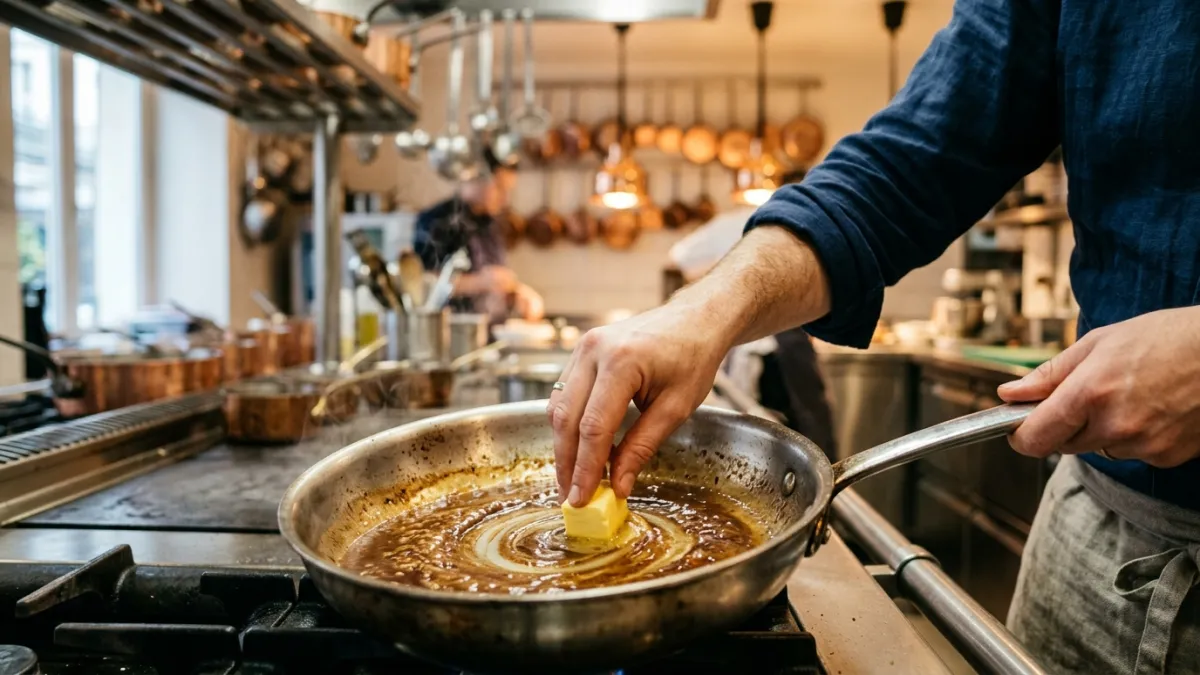
Luis Martinez Aug 16, 2026 Monter au beurre means cold butter swirled into finished sauces off the heat. It's why French dishes that sound dairy-free often aren't, and menus won't say.
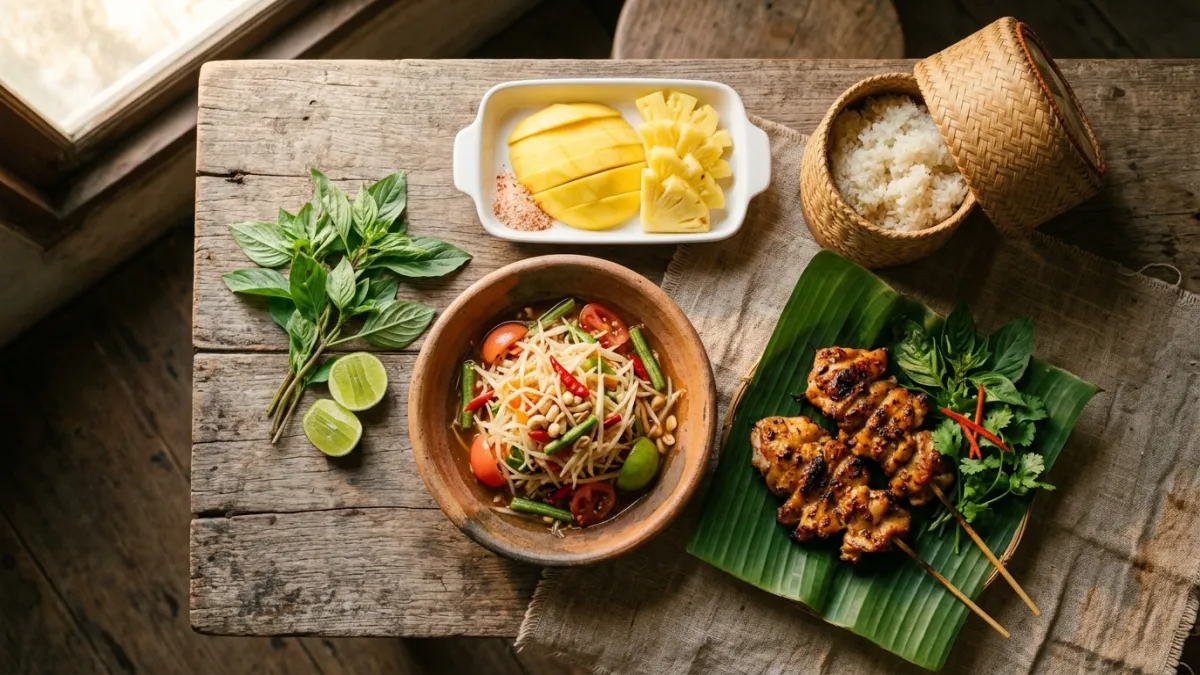
Luis Martinez Jul 13, 2026 Tom yum, pad thai, and Isan grilled meats are coconut-free. Every Thai curry except khua kling uses coconut milk. Most desserts are off the menu.
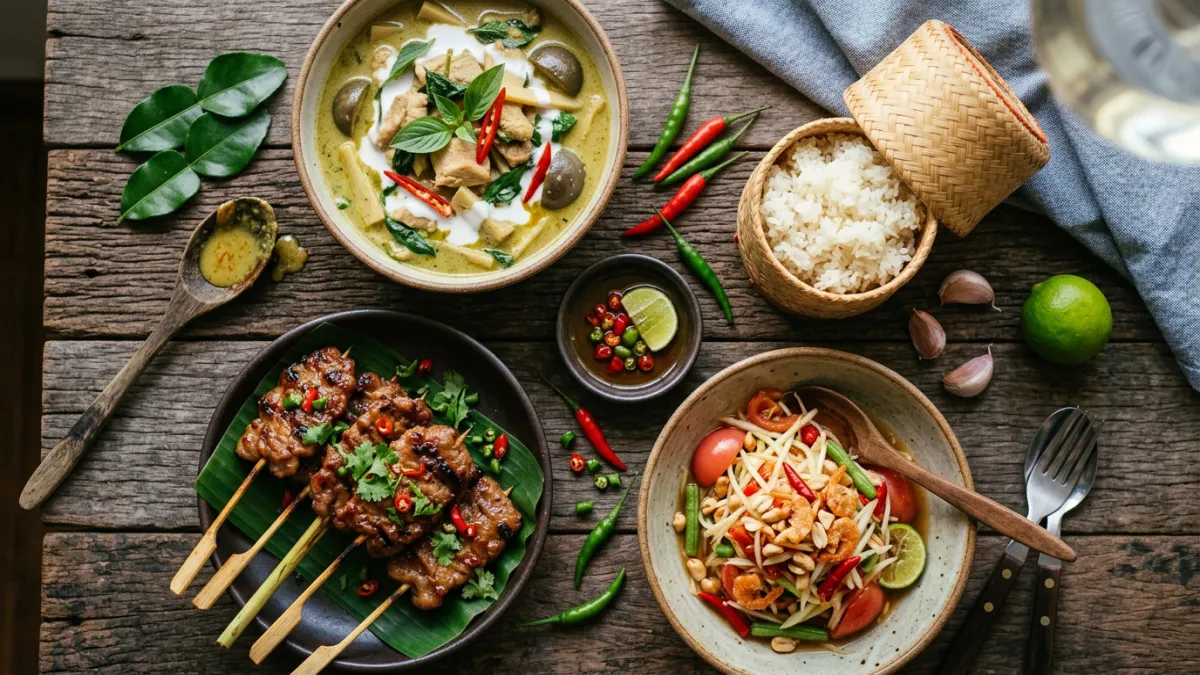
Luis Martinez Apr 27, 2026 Thai curries, tom yum, and grilled meats are naturally soy-free. Stir-fries, jay (vegetarian) restaurants, and most oyster sauces hide soy.
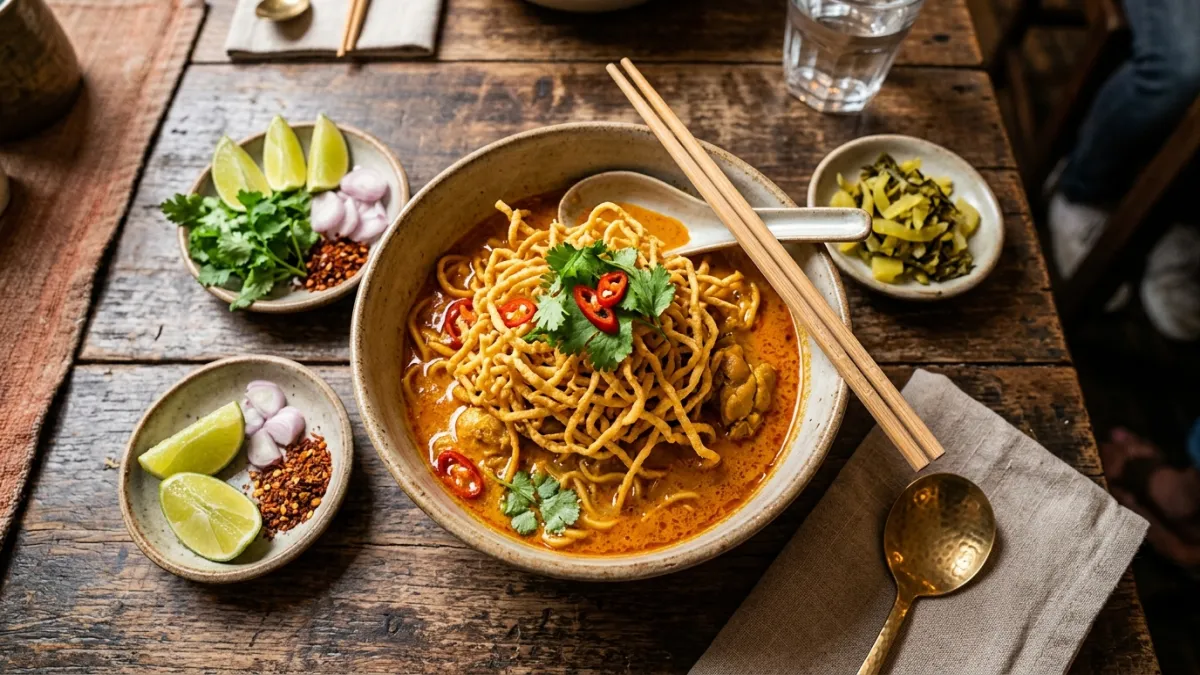
Luis Martinez Apr 20, 2026 Thai curries are naturally gluten-free but soy sauce, oyster sauce, and khao soi noodles hide wheat. The exact dishes, phrases, and traps celiacs need to know.
Luis Martinez Apr 14, 2026 Dashi, a fish stock from bonito or sardines, hides in miso soup, omelets, simmered vegetables, and pickles. Japan doesn't require restaurants to disclose it.
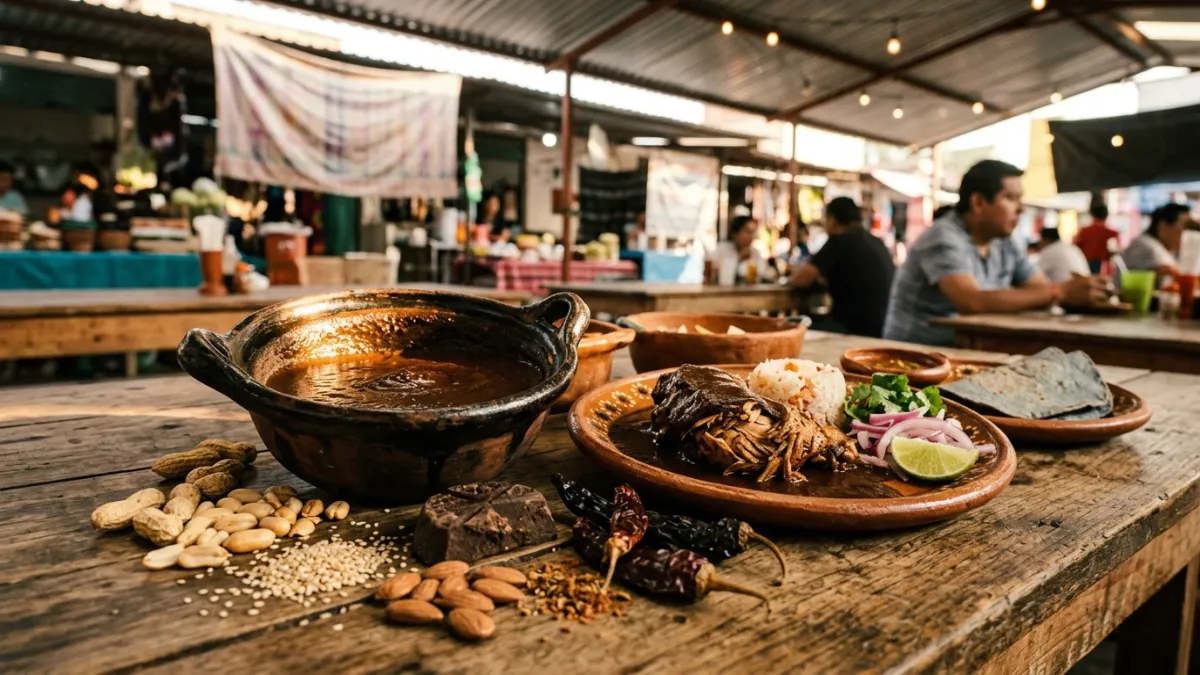
Luis Martinez Apr 8, 2026 Mole negro packs peanuts, tree nuts, sesame, wheat, and chocolate into one sauce. See the allergen profile for all 7 Oaxacan moles and which ones are safer.
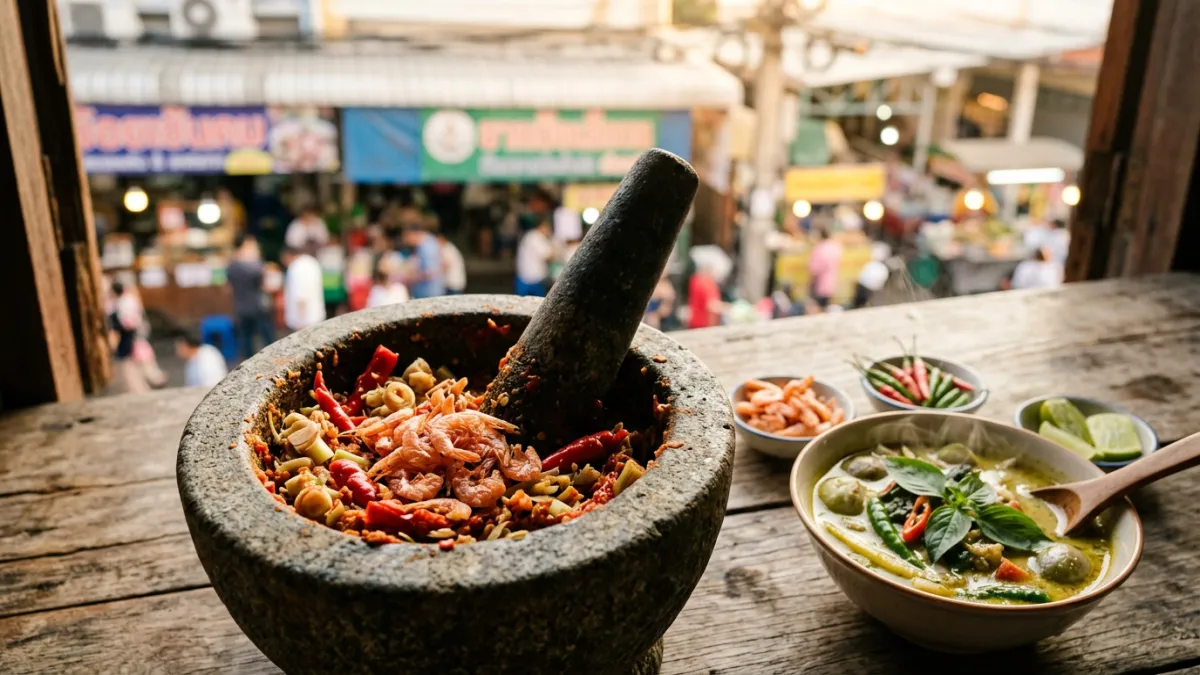
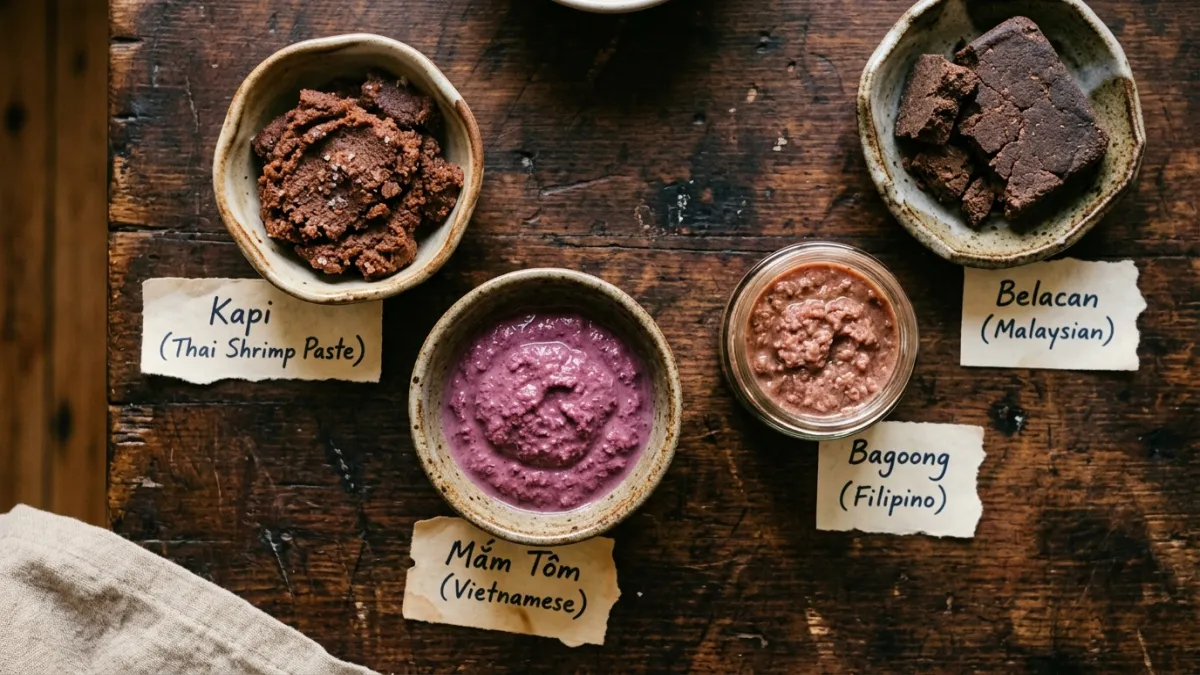
Luis Martinez Apr 5, 2026 Shrimp paste (kapi) is in every Thai curry paste. Oyster sauce hides in stir-fries. Nam phrik phao loads tom yum with dried shrimp. Here's what to avoid.
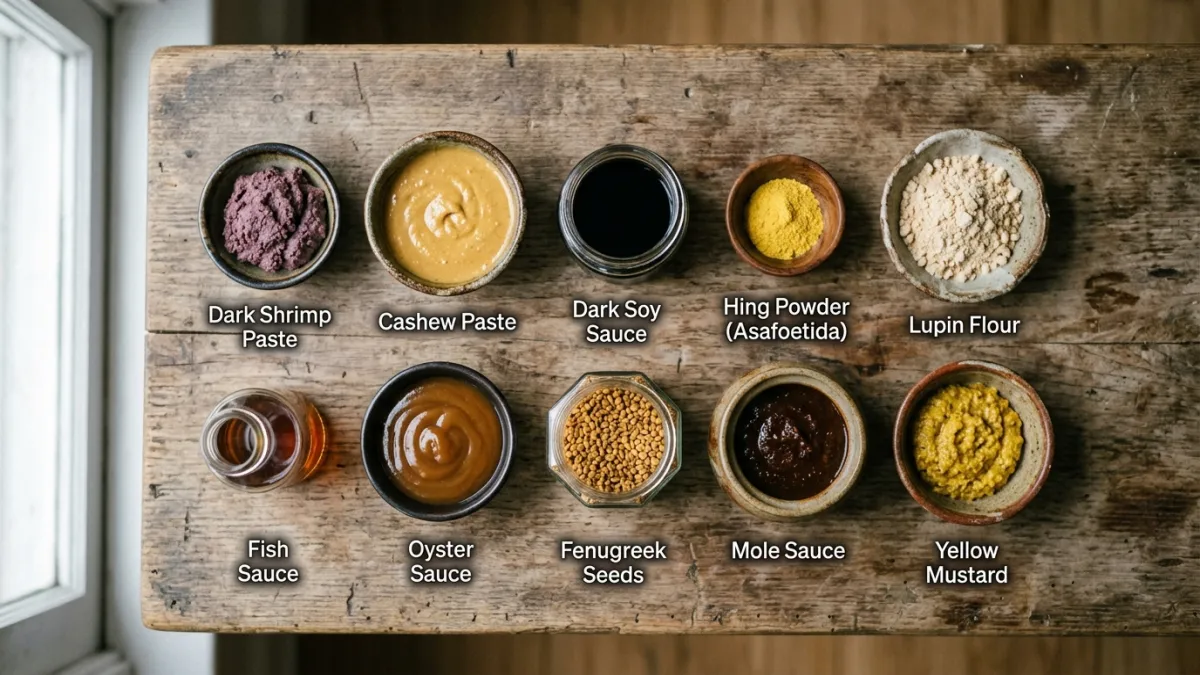
Luis Martinez Apr 2, 2026 The 10 most dangerous hidden allergens in global cuisines, ranked. Shrimp paste, cashew paste, wheat in soy sauce, lupin flour, and more.
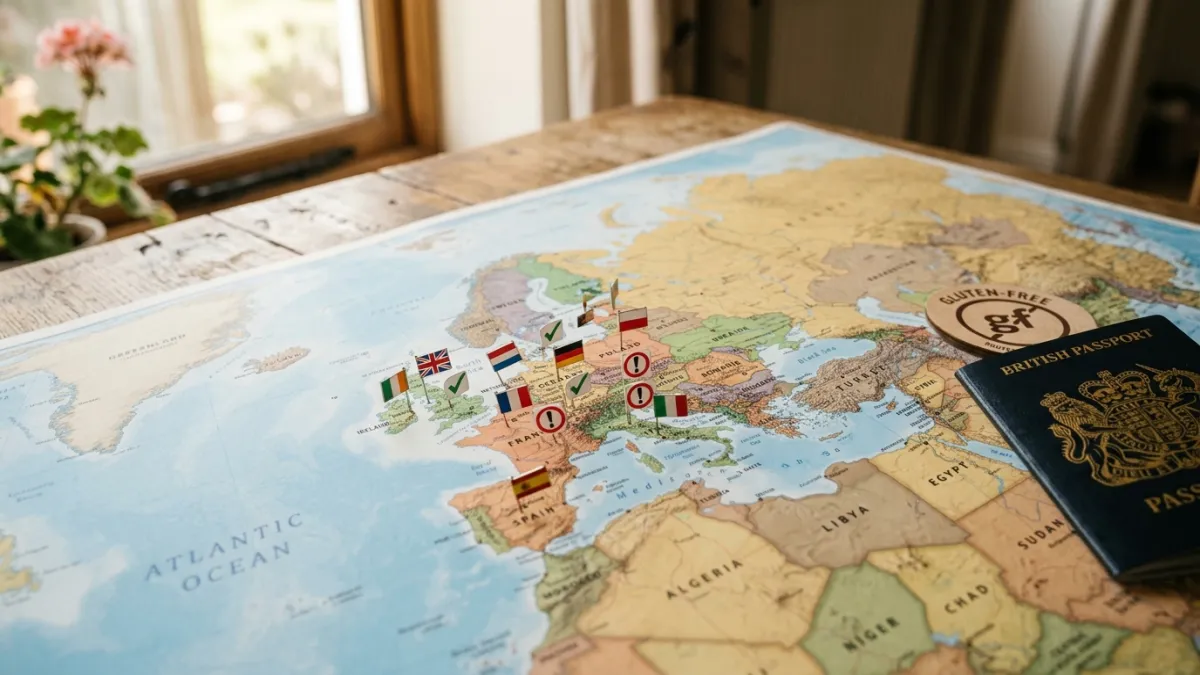
Luis Martinez Apr 1, 2026 Italy scores 9.1/10 with 4,000+ certified GF restaurants. Japan scores 1.7/10 because soy sauce is 50% wheat. A scored ranking of 16 countries.
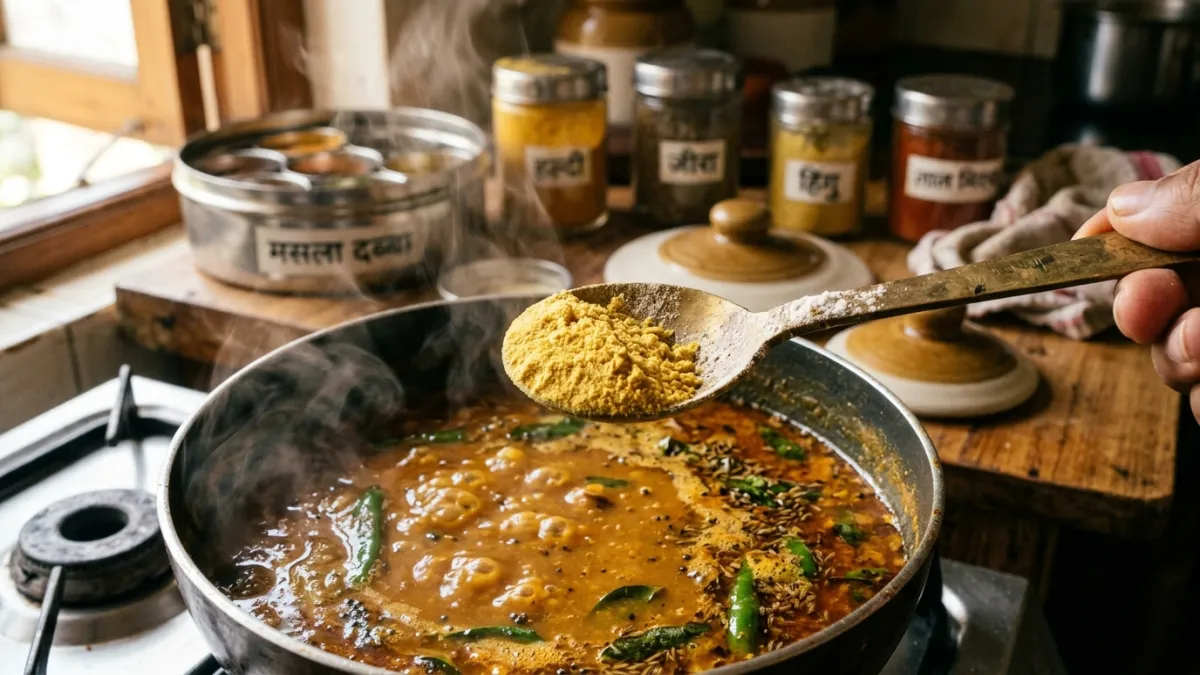
Luis Martinez Mar 31, 2026 Over 90% of commercial hing is cut with wheat flour. If you have celiac disease, every dal in India is a gluten trap. Here's how to identify it and eat safely.
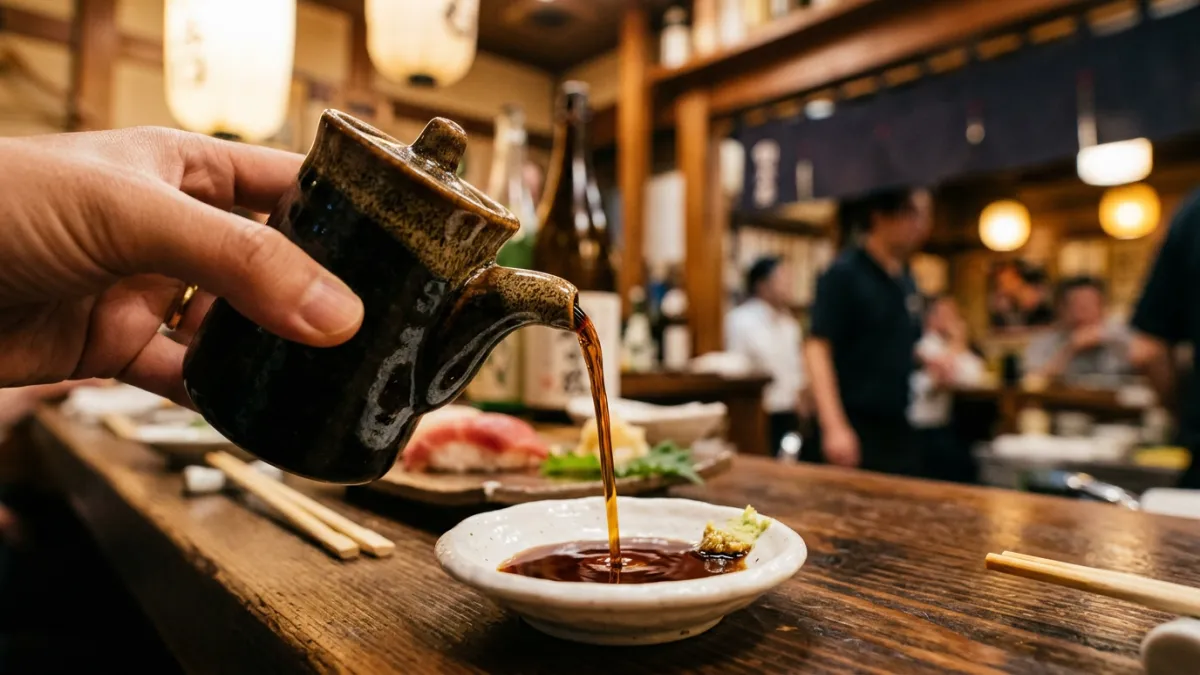
Luis Martinez Mar 30, 2026 Standard soy sauce is 50% wheat and it's in every sauce, glaze, and marinade in Japan. Here's what's safe, what's not, and how to eat gluten-free.
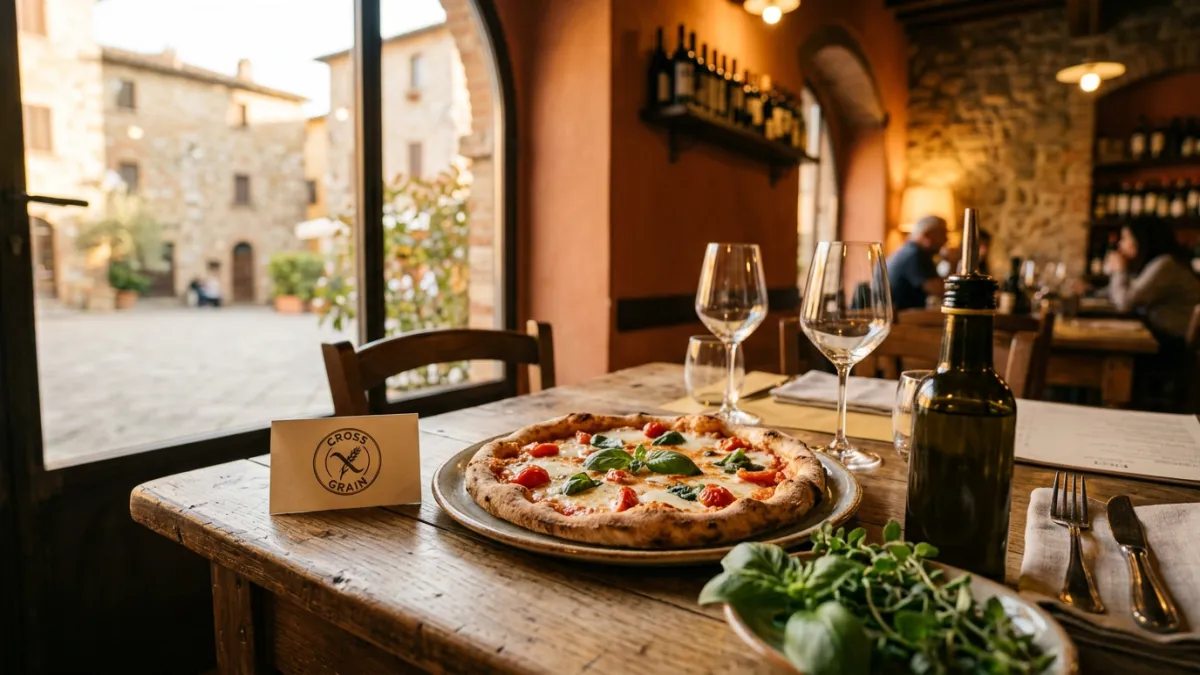
Luis Martinez Mar 25, 2026 Italy has 4,000+ AIC-certified GF restaurants, EU allergen laws, government stipends for celiacs, and pharmacy GF aisles. Plus the traps to avoid.
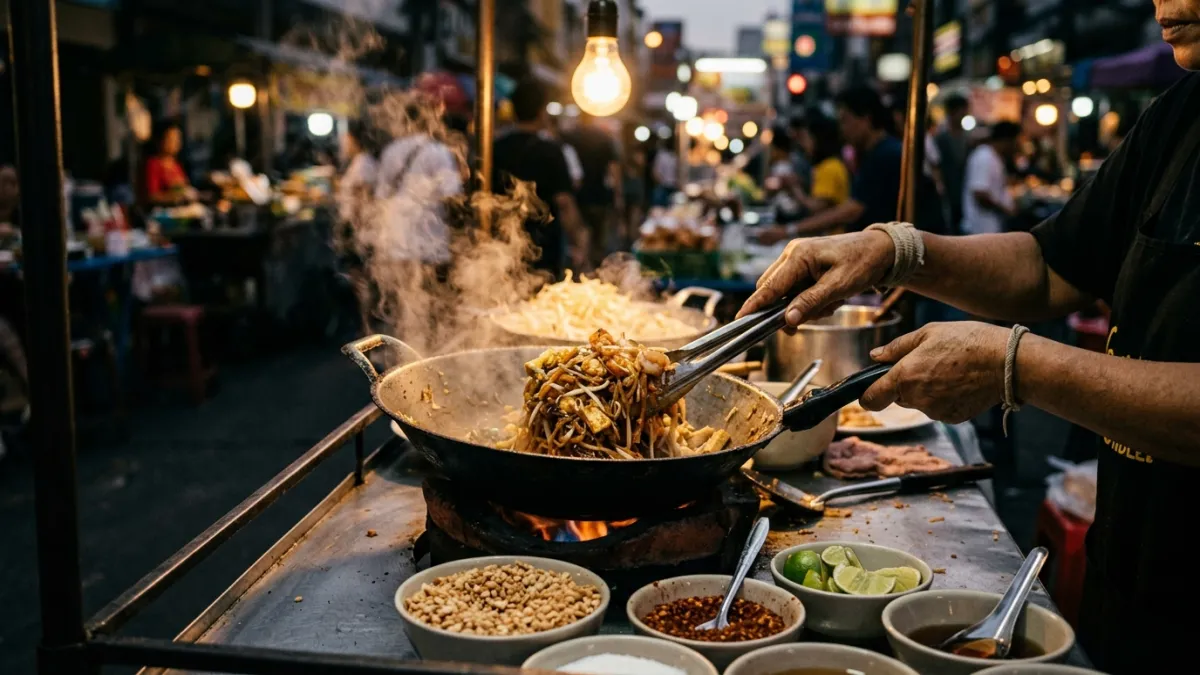
Luis Martinez Mar 25, 2026 Most Thai dishes are peanut-free. See which 10 dishes to avoid, 11 safe alternatives with Thai names, regional risk differences, and Thai allergy phrases.
Luis Martinez Mar 24, 2026 Standard soy sauce is about 50% wheat. See the full list of Asian condiments with hidden gluten, ranked by cuisine, with gluten-free alternatives.
Luis Martinez Mar 23, 2026 Shrimp paste hides in curries, sambals, and kimchi across 8+ countries under different names. Here's every variant, where it hides, and how to avoid it.
Luis Martinez Mar 21, 2026 China, Vietnam, and Thailand are naturally dairy-free. India and France are the hardest. Italy splits north to south. A country-by-country dairy ranking.
Luis Martinez Mar 17, 2026 Italy has 4,000+ certified GF restaurants. Japan's soy sauce is 50% wheat. A country-by-country celiac ranking with hidden traps and local phrases.
Luis Martinez Mar 15, 2026 Japan and EU countries are safest for peanut allergies — strong labeling laws, minimal peanut use. Thailand, Indonesia, China, and Mexico are highest-risk.
Luis Martinez Mar 12, 2026 Lard hides in 'vegetarian' beans, mole sauces contain 7+ allergens, and dairy lands on every plate. Corn-based cuisine is your friend — if you know the traps.
Luis Martinez Mar 5, 2026 मुझे दूध से एलर्जी है (mujhe doodh se allergy hai) means "I have a milk allergy". Every Hindi phrase you need, plus the allergens Indian food hides.
Luis Martinez Mar 2, 2026 Italy has EU allergen laws and 4,000+ certified gluten-free restaurants. Hidden traps: butter in risotto, celery in every sauce, dissolved anchovies.
Luis Martinez Feb 28, 2026 Soy sauce contains wheat, fish stock hides in everything from omelets to pickles, and restaurants have no legal obligation to tell you. Here's how to stay safe.
Luis Martinez Feb 28, 2026 Shrimp paste hides in every curry, fish sauce is in everything, and peanuts show up as surprise garnishes. Here's how to eat safely.
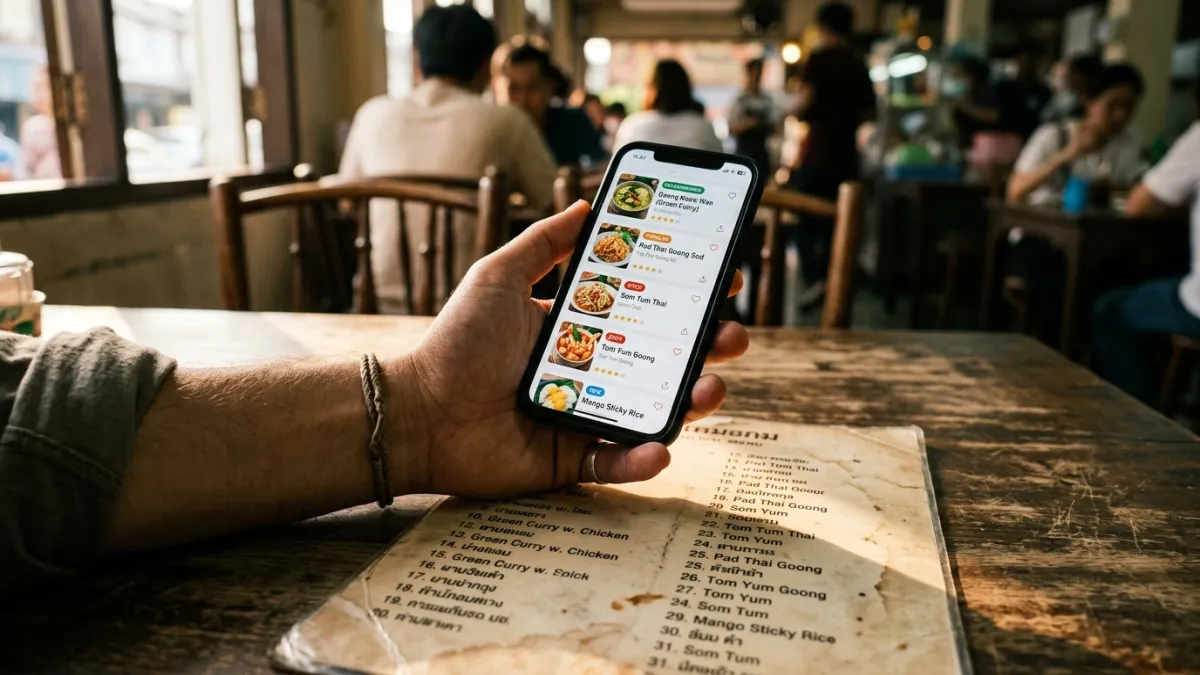
Luis Martinez Feb 28, 2026 Point your camera at a foreign menu and get instant allergen alerts in your language.
Scan a Menu Now